
Journal · October 11, 2026
Friendsgiving Ideas: How to Host an Easy, Relaxed Friendsgiving
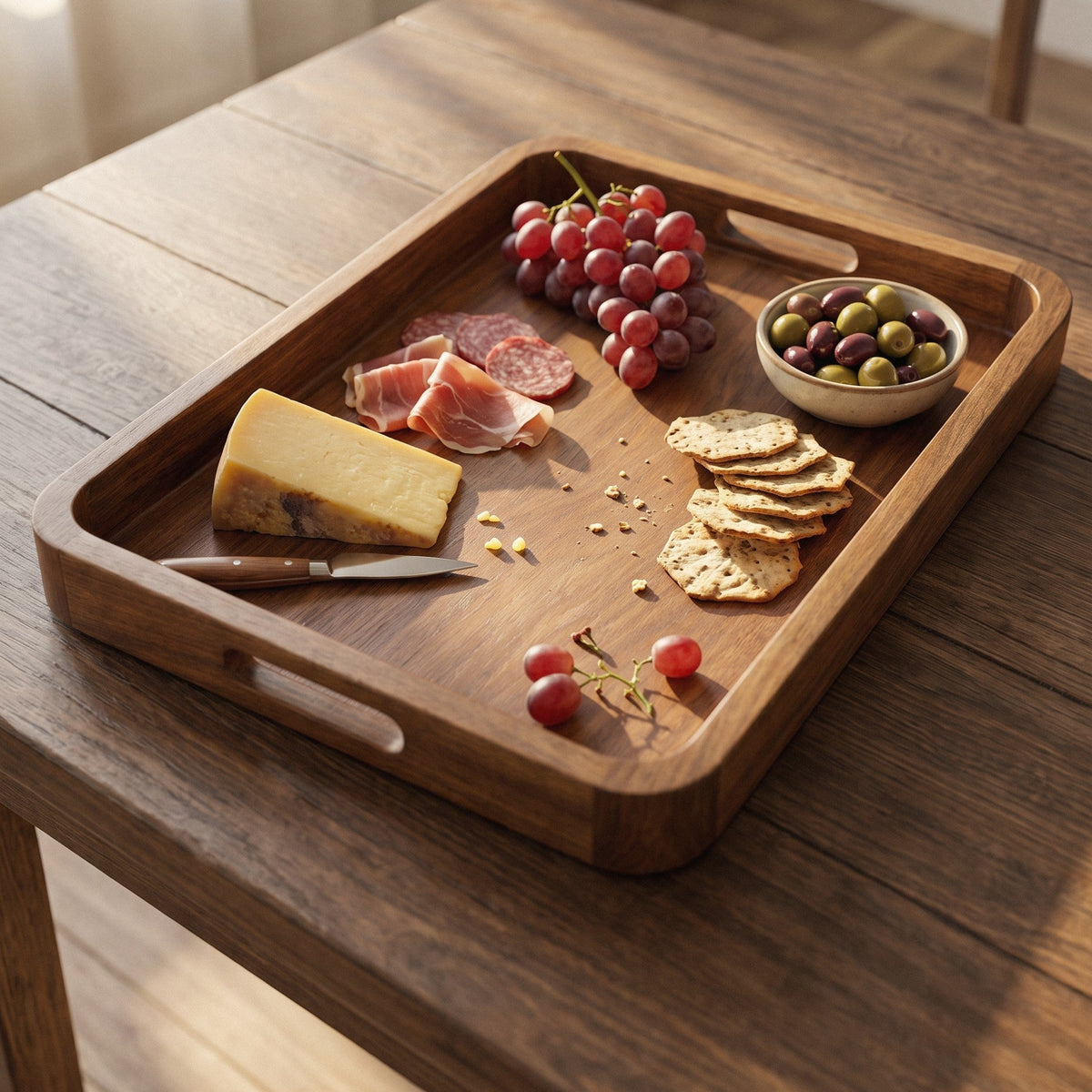
Friendsgiving is Thanksgiving without the pressure: the same food, the people you actually choose to spend the evening with, and nobody keeping score on the gravy. The trick to keeping it relaxed for the host is a little planning and a lot of delegating.
Pick the date
The weekend before Thanksgiving works best. Most people are still in town, nobody is cooking for their family yet, and leftovers are not an issue. A Saturday late afternoon gives everyone time to cook and lets the evening run long.
Decide who brings what
The host usually handles the main dish and the drinks. Everything else gets shared out by category, not by recipe, so people can cook what they are good at:
- Two or three sides (one starch, one vegetable, one wild card)
- A salad
- Bread or rolls
- Dessert
- Something to snack on while the main dish finishes
A shared note or group chat with the categories avoids five people turning up with mac and cheese. Ask everyone to bring their dish ready to serve, with a spoon.
Keep the main dish simple
A whole turkey is not required. A turkey breast, a roast chicken or two, or a big tray of roasted vegetables for a vegetarian crowd is easier to cook in a small oven and easier to carve. Make the gravy and the cranberry sauce a day ahead; both reheat well.
Snacks that need no oven
The oven will be busy, so plan starters that are ready to go:
- Chips with guacamole or a creamy herb dip with crudités on a chip and dip platter.
- Spiced nuts, olives and marinated mozzarella in a three-part snack and nut bowl.
- A small cheese board. Our Thanksgiving charcuterie board guide has the quantities.
One big salad
A big, bright salad balances all the rich food. Arugula, sliced pear, toasted walnuts, pomegranate seeds and shaved parmesan with a simple lemon and olive oil dressing. Dress it at the last minute and serve it in one large bowl, like our Acacia Wood Salad Bowl with Servers, or the 7-piece set with four individual bowls if you are serving it as a first course.
Set it up as a buffet
With a dozen dishes arriving from different kitchens, a buffet is easier than passing plates around the table.
- Start with plates and napkins, then the main dish, then sides, salad and bread, and put cutlery at the end so people have both hands free while serving.
- Serve from a few large boards and trays so it looks planned even when the food is not. A large acacia serving tray with handles carries a whole course from the kitchen, and a large olive wood board holds the cheese and bread.
- A small card next to each dish with its name and who made it answers the allergy questions and gives the cook their credit.
- Keep sauces, butter and salt in one place, such as a condiment set, at the end of the line.
Drinks
One big-batch drink (spiced apple cider, warm or cold, with an optional splash of bourbon) saves you from mixing all night. Put the wine where people can serve themselves; a countertop wine rack keeps four bottles on hand without taking over the counter.
Leftovers
Ask everyone to bring an empty container, or keep a stack of takeout boxes ready. Sending everyone home with a plate is the best part of the evening for the host.
For more ideas, see Serving Boards & Platters. Shipping is free across the US, and each product page shows its own delivery time, so you can check what will arrive before your date.